


The short answer to whether foreigners can inherit property in Turkey is yes. Under Turkish inheritance law, foreigners inherit real estate in Turkey on the same basis as Turkish citizens: heirs acquire the estate as a whole, by operation of law, at the moment of death (Turkish Civil Code Article 599). Since the 2012 amendment to the Title Deed Law, reciprocity with the heir's country is no longer required, and real estate located in Turkey is always governed by Turkish law, whatever the deceased's nationality (Law No. 5718, Article 20).
The important exception concerns heirs who could not have bought the property themselves. If a foreign heir's acquisition falls outside the limits in Article 35 of the Title Deed Law, for example because their country is not among the permitted nationalities or the area limits are exceeded, the heir must sell the property within a period of up to one year set by the Ministry of Treasury and Finance; otherwise it is liquidated and the proceeds are paid to the heir (Article 35/6). This article explains which law applies, who inherits, the limits for foreign heirs, the documents and taxes involved, and how inherited property is registered or sold.
How Turkish Inheritance Law Applies to Foreigners
Under Article 20 of the Turkish Act on Private International Law and International Civil Procedure (Law No. 5718), inheritance is governed by the deceased's national law, but Turkish law applies to immovable property located in Turkey. The opening of the estate, its acquisition and its partition are governed by the law of the country where the estate is located, and an estate in Turkey with no heirs passes to the State (Article 20/2-3).
In practice, this means that a British, German or Russian citizen who owned an apartment in Turkey cannot rely on their home-country rules to decide who receives that apartment: the heirs and their shares are determined by the Turkish Civil Code. Other assets may follow the deceased's national law, so a single estate can be split between two legal systems.
| Situation | Law for the Turkish real estate | Key point |
| A foreign national dies owning property in Turkey | Turkish law (Law No. 5718 Art. 20/1) | Heirs and shares follow the Turkish Civil Code, even if home-country law differs |
| A Turkish citizen dies and an heir is a foreigner | Turkish law | The foreign heir inherits, subject to the Article 35 limits |
| The heir's country is not permitted, or area limits are exceeded | Turkish law | The heir must sell within up to one year, otherwise liquidation (Title Deed Law Art. 35/6) |
| A certificate of inheritance was issued abroad | Turkish law | A Turkish court must confirm it before registration (Title Deed Law Art. 37) |
| There are no heirs | Turkish law | The estate in Turkey passes to the State (Law No. 5718 Art. 20/3) |
Who Inherits Under Turkish Law?
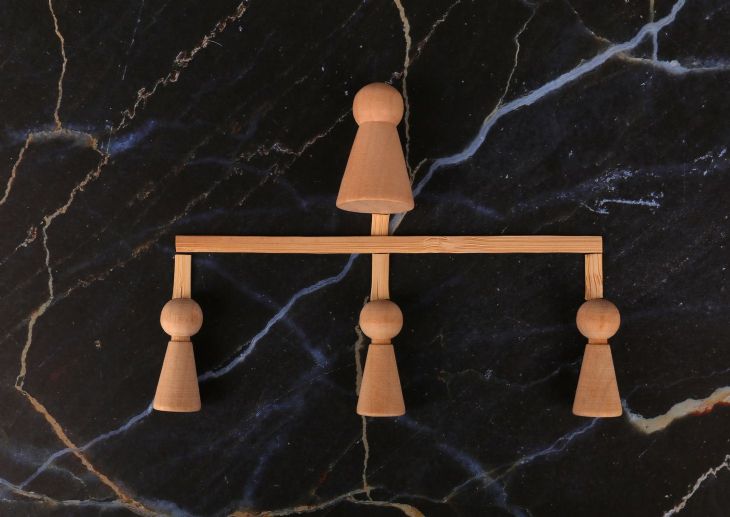
Turkish law groups legal heirs by degree of kinship. The deceased's descendants (children and, in their place, grandchildren) inherit first; if there are none, the parents and their descendants; and failing them, the grandparents and their descendants. The surviving spouse inherits alongside these groups: one quarter with descendants, one half with the parents' group, three quarters with the grandparents' group, and the whole estate if none of them survive (Civil Code Article 499).
Some heirs also have a reserved share (saklı pay) that a will cannot take away: half of the legal share for descendants, a quarter of the legal share for each parent, and for the surviving spouse the full legal share when inheriting with descendants or parents, otherwise three quarters (Civil Code Article 506). Siblings have had no reserved share since 2007. A will made abroad is formally valid if it complies with the law of the place where it was made, the law governing the inheritance or the deceased's national law (Law No. 5718, Articles 7 and 20/4), but a gift of Turkish real estate that exceeds the free portion can be reduced at the request of reserved heirs.
Limits for Foreign Heirs Under Article 35
Foreign individuals may acquire real estate in Turkey if they are nationals of countries designated by the President, within a ceiling of 30 hectares per person nationwide and 10% of the private land in a district (Title Deed Law Article 35/1). These limits are explained in our article on foreign property limits in Turkey.
Inheritance is not blocked by these limits, because heirs acquire by law. Instead, property inherited outside the Article 35/1 limits must be disposed of by the heir within the period given by the Ministry, which cannot exceed one year; if the heir does not sell, the property is liquidated and the proceeds are paid to the heir (Article 35/6). Whether this affects an heir depends on their nationality and existing holdings, so the position should be checked with the land registry at the time of the transfer; the list of countries can be changed by Presidential decision.
Certificate of Inheritance and Title Registration

Because heirs acquire the estate automatically, registration at the land registry is a formality, but it is needed before the property can be sold or mortgaged. The usual steps are:
- Certificate of inheritance: A certificate showing the legal heirs (mirasçılık belgesi) is issued by a civil court of peace or a notary (Civil Code Article 598). Where the deceased or the heirs are foreign, the application is in practice usually made to the court. Foreign death, birth and marriage certificates need an apostille and a sworn translation; see apostille and sworn translation.
- Foreign certificates: A certificate of inheritance issued abroad can be used for registration only after a Turkish court confirms that it conforms to the Turkish rules on inheritance (Title Deed Law Article 37).
- Tax declaration: The heirs file an inheritance tax return with the tax office, for which a Turkish tax number is needed; see the potential tax number.
- Registration: The land registry registers the heirs without waiting for the tax assessment and notifies the tax office (Inheritance and Gift Tax Law No. 7338, Article 19). Until partition, the heirs hold the property jointly as a community of heirs.
- Sale or transfer: The property cannot be sold or encumbered until the inheritance tax attributable to it has been paid in full and a tax clearance certificate is presented, unless security is provided (Law No. 7338, Article 19).
Heirs abroad can complete these steps through a representative; see our article on the inheritance power of attorney. If the transfer is not registered within two years of the death, the land registry may itself apply to court for a certificate of inheritance and register the heirs as joint owners (Title Deed Law Additional Article 1).
Inheritance Tax for Foreign Heirs
Property located in Turkey is subject to Turkish inheritance tax when it passes on death, whatever the nationality of the deceased or the heirs (Law No. 7338, Article 1). Real estate is valued for the return at its property tax value (Article 10). The return must be filed within the following periods (Article 9):
- Death in Turkey: four months if the heirs are in Turkey, six months if they are abroad.
- Death abroad: six months for heirs in Turkey, four months for heirs in the same country as the deceased, and eight months for heirs in another foreign country.
The tax is payable over three years in two equal instalments each year, in May and November (Article 19). Exemption amounts and rates are updated annually, so the current figures should be checked with the tax administration.
Refusing or Selling an Inheritance
An heir who does not want the inheritance, for example because the deceased left debts, can reject it within three months (Civil Code Article 606); the period generally starts when the legal heir learns of the death. Once the inheritance has been registered and the tax cleared, the heirs can sell the property together. If they disagree, any heir can ask the court to end the joint ownership, which may lead to a sale by auction.
Frequently Asked Questions
Can a foreigner inherit property in Turkey from a Turkish parent or spouse?
Yes. Turkish law governs the estate of a Turkish citizen, and a foreign child or spouse inherits like any other heir. The only additional question is whether the heir's acquisition falls within the Article 35 limits.
Does my home country's law decide who inherits my apartment in Turkey?
No. Real estate located in Turkey is governed by Turkish law (Law No. 5718 Art. 20/1), so the heirs, their shares and the reserved shares follow the Turkish Civil Code.
What happens if my country's citizens cannot buy property in Turkey?
You still inherit, but you must sell the property within the period set by the Ministry, which cannot exceed one year. Otherwise the property is liquidated and the proceeds are paid to you (Title Deed Law Art. 35/6).
Do foreign heirs pay inheritance tax in Turkey?
Yes, on property located in Turkey. The return is due within four to eight months depending on where the death occurred and where the heirs live, and the tax can be paid in instalments over three years.
Can I use a certificate of inheritance from my country at the land registry?
Only after a Turkish court has confirmed that it conforms to Turkish inheritance rules (Title Deed Law Art. 37). Many heirs therefore apply directly for a Turkish certificate of inheritance.
Summary
- Foreigners can inherit property in Turkey; heirs acquire the estate automatically on death (Civil Code Art. 599).
- Real estate in Turkey is governed by Turkish law, whatever the deceased's nationality (Law No. 5718 Art. 20).
- Reserved shares protect descendants, parents and the spouse against wills (Civil Code Art. 506).
- Property inherited outside the Article 35 limits must be sold within up to one year, otherwise it is liquidated (Title Deed Law Art. 35/6).
- Foreign certificates of inheritance need Turkish court confirmation (Title Deed Law Art. 37).
- Inheritance tax returns are due within four to eight months, and a sale requires tax clearance (Law No. 7338 Arts. 9 and 19).
Because the applicable law, the heirs' nationalities, tax deadlines and land registry requirements interact differently in each estate, foreign heirs should have their position reviewed before deadlines run out. Dural Hukuk can assist with certificates of inheritance, recognition of foreign inheritance documents, inheritance tax returns, title registration and the sale of inherited property in Turkey. Call +90 535 260 74 54 or use the contact page.
This article is general information on Turkish law as at November 2026 and is not legal advice; obtain advice on your own circumstances.
Prepared by: Dural Hukuk