

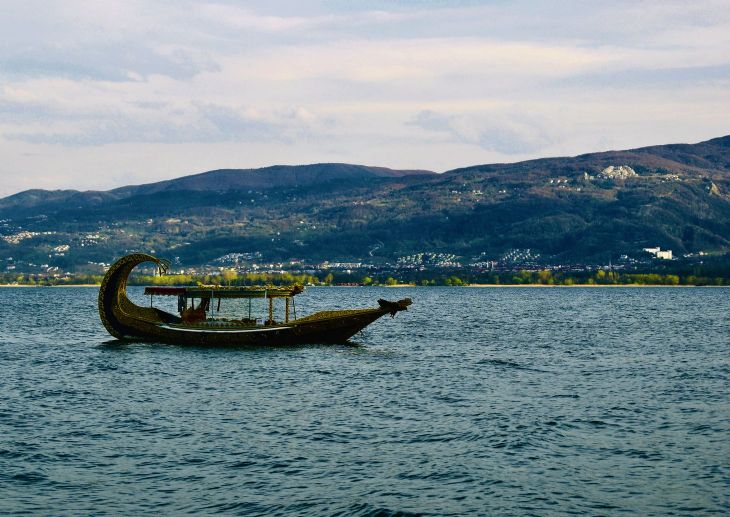
The short answer to whether you can buy property in Sapanca as a foreigner is yes, in most cases. Sapanca, the lakeside district of Sakarya province, has no district-specific ban on sales to foreigners. A foreign individual can acquire a house, villa or plot there if they are a national of a country whose citizens are permitted to acquire property in Turkey, the parcel is not inside a military or security zone, and the statutory area limits are not exceeded (Article 35 of Title Deed Law No. 2644).
In practice, problems in Sapanca rarely come from the foreigner rules alone. They come from the property itself: bungalows built on agricultural land without a permit, shared plots, lake protection restrictions and deposits paid before anyone has looked at the title register. This article sets out a step-by-step legal checklist for foreign buyers in Sapanca, from the checks before a deposit to fees, the title deed appointment and residence or citizenship options.
Can Foreigners Buy Property in Sapanca?
Under Article 35 of the Title Deed Law, foreign individuals who are nationals of countries designated by the President may acquire real estate in Turkey, subject to statutory restrictions. Nothing in the law singles out Sapanca. However, the President may restrict, suspend or prohibit acquisitions by country, region, number, ratio or area (Article 35/3), so the position should be confirmed with the land registry on the date of the transaction.
You do not need a residence permit to buy. The general area limits (30 hectares per person nationwide and 10% of the private land in a district) are explained in our article on foreign property limits in Turkey, so this checklist focuses on Sapanca-specific points.
Step 1: Checks Before You Pay a Deposit
Most losses happen at the deposit stage. Before you pay anything, verify the following from official records, not from the listing:
- Ownership: The owner named in the title register (tapu) is the person you are dealing with, or that person's representative holds a valid power of attorney covering the sale.
- Encumbrances: Mortgages (ipotek), attachments (haciz), annotations (şerh) and declarations (beyan) that can block or burden the transfer.
- Type of title: Whether the property is an independent unit under condominium ownership (kat mülkiyeti) or condominium servitude (kat irtifakı), or only a plot or field with an unregistered building on it.
- Zoning and permits: The zoning status (imar durumu), the building permit (yapı ruhsatı) and the occupancy permit (yapı kullanma izin belgesi).
- Shares: Whether you are buying the whole parcel or only a share (hisse) in a larger one.
A deposit receipt or a notarised promise-to-sell contract does not make you the owner. Ownership of real estate passes only by an official deed executed and registered at the land registry (Turkish Civil Code Article 706; Code of Obligations Article 237).
Step 2: Sapanca-Specific Property Risks
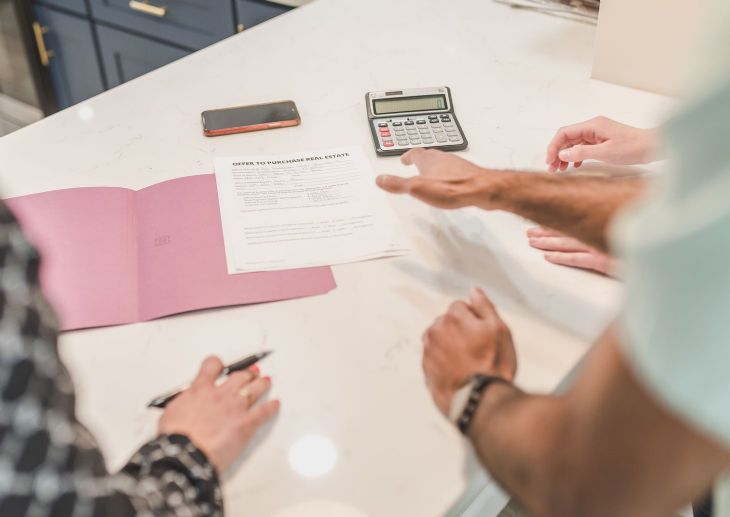
Sapanca's lake and forested slopes create risks that are less common with city-centre flats:
- Bungalows on agricultural land: Many wooden houses stand on parcels registered as fields (tarla). If built without a permit, they may face demolition orders and fines under Zoning Law No. 3194, and the buyer inherits that risk.
- Lake basin protection: Lake Sapanca is a drinking-water source for the region, and parcels in its protection zones may be subject to strict building limits.
- Shoreline and forest: Under Coastal Law No. 3621, a lake shore cannot be privately owned, so the shoreline boundary (kıyı kenar çizgisi) matters for parcels near the water. Parcels on wooded slopes should be checked against the forest cadastre.
- Shared plots: A share in a large field does not give you a defined piece of land. If co-owners disagree, a partition action (ortaklığın giderilmesi) can end with the whole parcel sold at auction.
Step 3: The Foreign-Buyer Checks at the Land Registry
The land registry then runs the checks specific to foreign buyers. The military and security zone check is carried out parcel by parcel, using coordinates supplied by the Ministry of National Defence and the Ministry of Interior (Article 35/5), so one parcel may be sellable to a foreigner while the next is not. The district 10% ceiling is also checked at this stage.
If you buy an undeveloped plot, you must submit a development project to the relevant Ministry within two years; otherwise the property may be liquidated unless you sell it within the period given (Article 35/4 and 35/6). See our article on foreigners buying land under Article 35. Since 4 March 2019, sales to foreigners have also required a valuation report from a licensed valuation company under a Land Registry circular.
| Check | Where it is done | Why it matters |
| Title register and encumbrances | Land registry records | Confirms ownership and reveals mortgages, attachments and annotations |
| Zoning, building and occupancy permits | Sapanca Municipality and metropolitan municipality | Unlicensed buildings carry demolition and fine risk (Zoning Law No. 3194) |
| Lake protection, shoreline and forest status | Municipal, water authority and cadastre records | Determines what can actually be built or used |
| Nationality, military zone and 10% limit | Land registry | A sale in breach of Article 35 can be liquidated |
| Valuation report | Licensed valuation company | Required for sales to foreigners |
| Project for an undeveloped plot | Relevant Ministry, within two years | Missing the deadline can lead to liquidation (Article 35/4, 35/6) |
Step 4: Documents, Costs and the Title Deed Appointment

The transfer is completed at the land registry office in a single appointment. A typical sequence:
- Tax number: Obtain a Turkish tax number for foreigners; see our article on the potential tax number.
- Application and appointment: The sale is applied for at the land registry or through its online system, and an appointment is given. Menu names in online systems may change.
- Documents: Passport and, where required, its sworn translation, photographs, the valuation report and, for buildings, a compulsory earthquake insurance (DASK) policy.
- Interpreter: A buyer who does not speak Turkish signs the official deed in the presence of a sworn interpreter.
- Fees: The title deed fee is 2% of the declared value for the buyer and 2% for the seller under the Fees Law, plus a revolving fund fee set each year. Confirm current figures with the land registry.
- Signing and registration: The parties sign the official deed and ownership is registered in the buyer's name the same day.
If you cannot travel, a representative can sign for you under a property power of attorney. Declaring a price below the real one to reduce fees is risky: it can cause tax problems and undermine later residence, citizenship or resale plans.
Step 5: Residence, Citizenship and Taxes After the Purchase
Owning a home in Sapanca does not automatically give you a right to live in Turkey, but it can support two applications:
- Short-term residence permit: Property owners may be granted a short-term residence permit, and the qualifying nature and value of the property are set by the Ministry (Foreigners and International Protection Law No. 6458, Article 31/1-b and 31/6). In practice, a minimum value of USD 200,000 has been applied to property acquired since October 2023, and the neighbourhood must be open to new foreign residence registrations. See our article on the property residence permit.
- Citizenship by investment: Qualifying real estate worth at least USD 400,000, bought with a three-year no-sale annotation on the title, can support an exceptional citizenship application (Citizenship Regulation Article 20/2-b).
Owners also pay annual property tax to the municipality, and a sale within five years of purchase may trigger income tax on the gain. Our other English-language articles cover residence, citizenship and powers of attorney in more depth.
Red Flags When Buying in Sapanca
- "Suitable for foreigners" in the listing: Only the land registry check confirms that a parcel can be sold to you.
- Pressure for a quick deposit: A genuine seller can wait a few days while title and zoning records are checked.
- "The title deed will come later": Promises that a share in a field or an off-plan unit without condominium servitude will later become a separate title often cannot be kept.
Frequently Asked Questions
Can I buy property in Sapanca as a foreigner without a residence permit?
Yes. A residence permit is not required to acquire property in Turkey. What matters is your nationality, the location of the parcel and the area limits under Article 35 of the Title Deed Law.
Is there a minimum price for foreigners buying property in Sapanca?
No minimum price applies to the purchase itself. Value thresholds matter only if you want to rely on the property for a residence permit or a citizenship application.
Can a foreigner buy a bungalow on agricultural land in Sapanca?
Such a parcel can be bought if the Article 35 conditions are met, but the bungalow may have been built without a permit and face demolition or fines. Because the land counts as undeveloped, the two-year project requirement may also apply.
Do I need to be in Turkey for the title deed transfer?
No. A representative can complete the transfer under a power of attorney issued at a Turkish notary or consulate, or abroad with an apostille and sworn translation. It must expressly cover the sale and meet the land registry's format requirements.
Who pays the title deed fee when buying in Sapanca?
The Fees Law charges 2% of the declared value to each of the buyer and the seller. The parties may agree privately that one side bears both, but the registry collects the fees before signing.
Summary
- Foreigners can buy property in Sapanca; there is no district-specific ban (Title Deed Law Art. 35).
- Check ownership, encumbrances, zoning and permits from official records before paying a deposit.
- Ownership passes only by an official deed registered at the land registry (Civil Code Art. 706; Code of Obligations Art. 237).
- Bungalows on fields, lake protection zones, the shoreline and shared plots are the main local risks (Zoning Law No. 3194; Coastal Law No. 3621).
- The registry checks nationality, military zones and the 10% limit; undeveloped plots need a project within two years (Art. 35/4-35/6).
- Property supports a residence permit or citizenship only if separate value conditions are met (Law No. 6458 Art. 31; Citizenship Regulation Art. 20/2-b).
Because the foreign-buyer rules, zoning, lake protection and title structure of a Sapanca property differ from parcel to parcel, each purchase calls for a document-based review before money changes hands. Dural Hukuk can assist with title and zoning due diligence, sale contracts, title deed transfers and related residence or citizenship applications for foreign buyers. Call +90 535 260 74 54 or use the contact page.
This article is general information on Turkish law as at November 2026 and is not legal advice; obtain advice on your own circumstances.
Prepared by: Dural Hukuk